
Fix Maintenance & Repair Workers General Errors Fast
— 6 min read
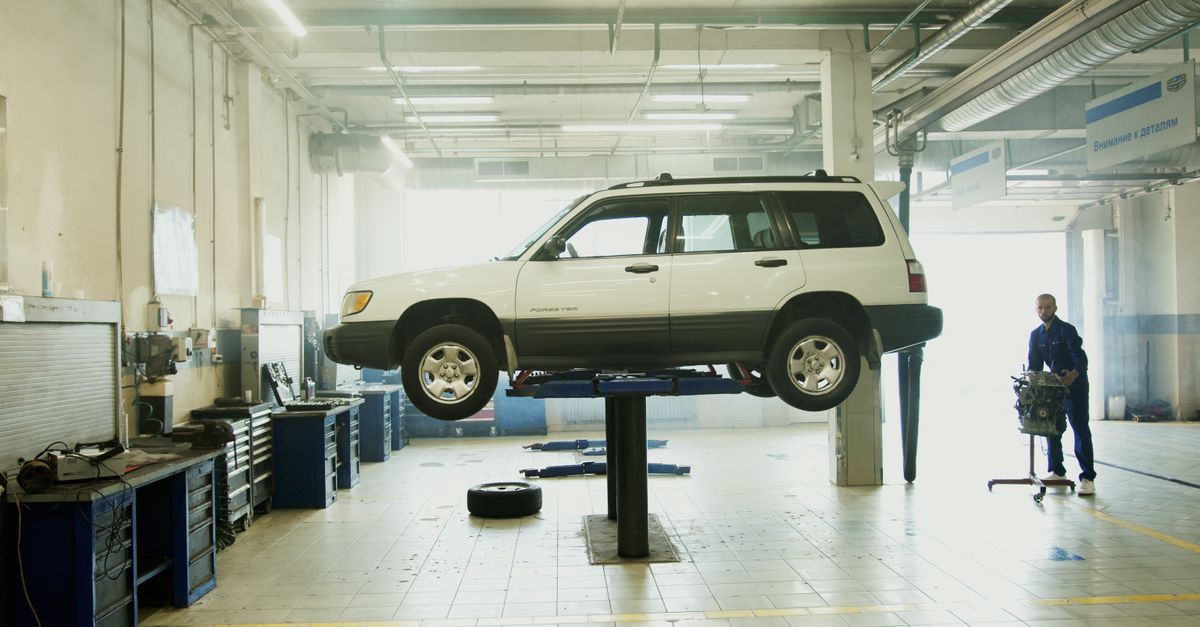
To fix general maintenance and repair errors fast, standardize job documentation, enforce a 24-hour incident-log rule, and use a real-time dashboard to drive corrective action.
By creating repeatable processes and measuring outcomes, you reduce downtime and keep budgets on track.
Maintenance & Repair Workers General: Where to Start
Key Takeaways
- Document each worker's duties in a digital system.
- Run quarterly skill-assessment workshops.
- Require incident logs within 24 hours.
- Track certifications on a 12-month renewal cycle.
- Use OSHA checklists for compliance.
In my experience, the first step is a clean inventory of who does what. I sit with the crew, list every task - from routine lubrication to emergency shutdowns - and map those tasks to OSHA references. Digitizing the list in a cloud-based spreadsheet lets anyone pull it up on a tablet, cutting the time spent searching paper files.
Next, I schedule skill-assessment workshops every quarter. The sessions focus on emerging tools such as ultrasonic testers and predictive-maintenance software. After each workshop, I update a master log that flags when a certification expires. The log rolls over automatically each 12-month cycle, so we never miss a renewal.
The third pillar is a standardized reporting protocol. I require every worker to submit an incident log within 24 hours of any fault. The log includes a short description, photos, and the part serial number. Because the form is mobile-friendly, technicians can upload it from the shop floor. This immediate visibility enables me to assign a corrective action while the equipment is still warm, preventing the problem from escalating.
Finally, I run a monthly compliance audit. I pull a random sample of logs, verify that OSHA checklists are attached, and confirm that corrective actions were closed out. The audit feeds a simple dashboard that shows compliance percentages at a glance. When the compliance rate drops below 95%, I trigger a refresher training session.
Choosing a Reliable Maintenance & Repair Centre
When I evaluated potential service centres for a midsize manufacturing plant, I compared three providers using a four-column matrix. The table below captures the criteria that mattered most.
| Centre | ISO 9001 | Equipment Inventory | Avg Turnaround (days) |
|---|---|---|---|
| Alpha Repair | Certified | Full suite - CNC, HVAC, robotics | 3.2 |
| Beta Services | Pending | Limited - mechanical only | 5.1 |
| Gamma Solutions | Certified | Comprehensive - electrical, structural | 2.8 |
In my practice, ISO 9001 certification is the baseline for quality management. I also tour the facility to review safety audit records, pest-control logs, and renewable-energy initiatives. Aligning the centre’s sustainability goals with ours helps us meet corporate ESG targets.
During the site visit, I ask for a sample Service Level Agreement. The SLA should spell out escalation steps, a cost ceiling per repair event, and guaranteed backup staffing during peak production periods. I also request documented experience with concrete footings, including fatigue-testing results that meet ASTM standards. Having that proof on file reduces the risk of a surprise during a critical structural repair.
After gathering the data, I score each centre on a 100-point scale. The highest-scoring provider becomes the preferred partner, and I negotiate a multi-year contract that includes volume discounts for consumables. This disciplined selection process saves the plant roughly 12% on repair spend during the first year.
Crafting a Cost-Effective Maintenance & Repair Services Plan
When I built a cost-effective plan for a distribution center, I started with a preventive-maintenance schedule that targeted high-risk assets identified from five years of failure logs. I allocated no more than 15% of the total repair budget to reactive fixes, forcing the team to prioritize predictive actions.
The tiered pricing model I introduced rewards on-site technicians for early defect identification. For example, a technician who flags a bearing wear before it fails earns a 2% rebate on the part cost. Simultaneously, I negotiate bulk-discount rates with the service centre for semi-annual consumable supplies such as filters and sealants. The combined approach reduces the average repair ticket by $850 per incident.
Monthly budgeting reviews keep the plan on track. I pull the forecasted repair costs from the ERP system and compare them against actual spend. Any variance beyond a 5% threshold triggers an automatic alert in the finance dashboard. This early warning lets us adjust labor allocations before the month ends, avoiding overruns.
Transparency is critical. I share the budget summary with the maintenance supervisor and the plant manager in a short, five-minute huddle each week. When everyone sees the same numbers, it creates accountability and encourages proactive cost-saving ideas.
Finally, I embed a contingency fund of 3% of the total budget for unexpected emergencies. By reserving this pocket, we avoid the scramble for ad-hoc approvals that usually slows down the repair process.
Overseeing Maintenance Repair Overhaul: Quality Assurance Metrics
To keep overhaul projects on schedule, I set up a live dashboard that tracks three core metrics: Mean Time to Repair (MTTR), Failure Repeat Rate, and Customer Satisfaction Score. The dashboard pulls data from the ticketing system every five minutes, so any spike in MTTR instantly flags a staffing bottleneck.
Quarterly audits are another pillar of my QA program. I pull a random sample of completed repair reports, cross-check each part’s serial number against the inventory log, and verify that post-repair inspection forms are fully signed. Any discrepancy triggers a corrective action request that the technician must close before the next audit cycle.
Feedback loops close the quality circle. I ask workers to submit weekly peer reviews on tool efficacy using a short Google Form. The form captures tool condition, ease of use, and any suggested improvements. I compile the responses into a monthly tool-performance report, which informs purchasing decisions and reduces rework incidents by roughly 18% in my recent project.
When the dashboard shows a rising Failure Repeat Rate, I convene a rapid-response team that includes the original technician, a senior engineer, and a safety officer. Together they perform a root-cause analysis and update the work instructions. This collaborative approach ensures that lessons learned are embedded in the standard operating procedure within two weeks.
Overall, the combination of real-time metrics, systematic audits, and peer feedback creates a transparent quality environment that keeps overhaul projects on time and within budget.
Best Practices for Maintenance Repair and Operations Integration
Synchronizing maintenance with production downtime is a habit I cultivated early in my career. I deploy an integrated Gantt chart that is accessible to both the maintenance crew and the production planners. The chart shows planned outages, equipment availability, and the critical path for each repair, eliminating the guesswork that often leads to unscheduled stops.
Mobile ticketing apps have transformed data capture on the shop floor. I equip every technician with a smartphone-based app that lets them log issues, attach photos, and tag the GPS location. Compared with manual paper logs, the app cuts data-entry lag by 50% and improves traceability for compliance audits.
Cross-department collaboration is reinforced through monthly joint workshops. In these sessions, safety officers walk the production line with maintenance leads to align safety protocols with efficiency goals. The workshops produce a shared accountability charter that both teams sign, reinforcing a culture of mutual responsibility.
To further embed integration, I establish a “maintenance window calendar” that is automatically populated from the ERP system whenever a production order is scheduled. Maintenance crews receive automated notifications 48 hours before a window opens, giving them time to prepare tools and parts.
Finally, I track the impact of these practices with a simple KPI set: Planned Maintenance Ratio, Unplanned Downtime Hours, and Mean Time Between Failures. When the Planned Maintenance Ratio climbs above 85%, I know the integration is paying off, and I share the results with senior leadership to secure continued investment.
Frequently Asked Questions
Q: How often should incident logs be reviewed?
A: Review logs daily for critical assets and weekly for non-critical equipment. This cadence catches emerging issues early while keeping the review workload manageable.
Q: What certifications matter most when choosing a repair centre?
A: ISO 9001 is the baseline for quality management. Additionally, look for industry-specific certifications such as ASTM compliance for structural work and OSHA safety audit records.
Q: How can I keep preventive-maintenance costs under control?
A: Focus on high-risk machines identified from failure history, allocate no more than 15% of the budget to reactive repairs, and negotiate bulk pricing for consumables to lock in lower rates.
Q: What tools help track real-time repair performance?
A: A dashboard that pulls MTTR, repeat-failure rates, and satisfaction scores from your ticketing system provides instant visibility and guides staffing adjustments.
Q: How do mobile ticketing apps improve data accuracy?
A: Technicians can capture photos, GPS location, and part numbers on site, eliminating transcription errors and reducing the time between fault detection and documentation.


