
Stop Losing Out as Maintenance & Repair Workers General?
— 5 min read
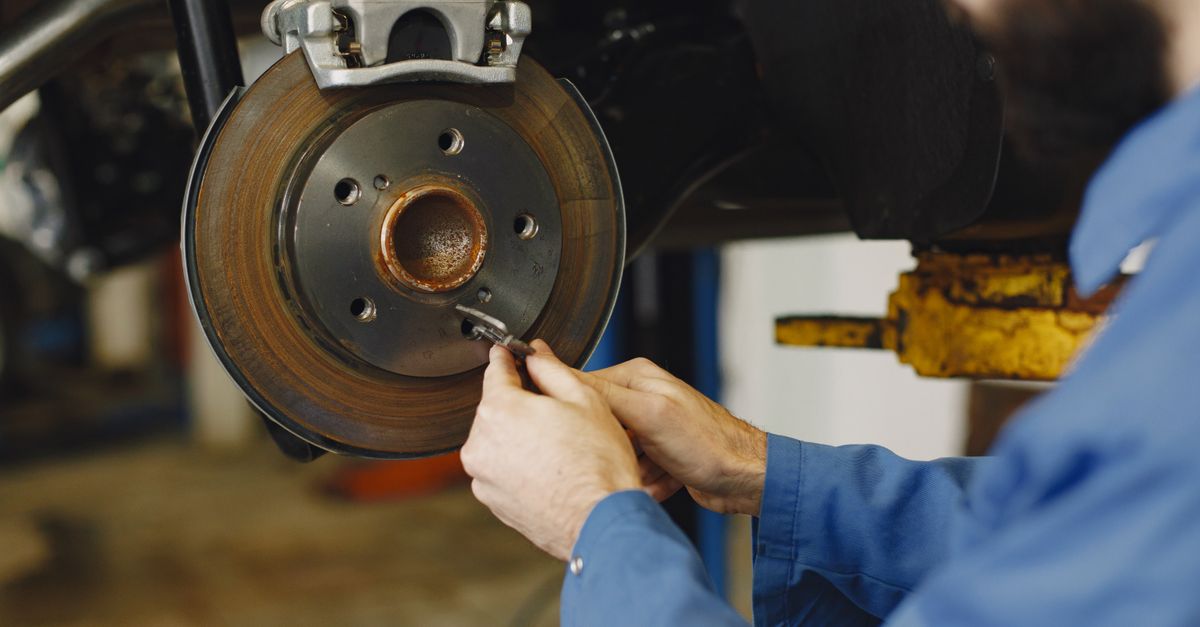
Stop Losing Out as Maintenance & Repair Workers General?
A mobile repair van can cut response times by 35% and keep you from losing jobs. When local garages close, the van becomes the lifeline that brings the workshop to the customer, preserving revenue and reputation.
How Maintenance & Repair Workers General Navigate Mobile Fixes
SponsoredWexa.aiThe AI workspace that actually gets work doneTry free →
In my experience, the most effective mobile crews carry certifications across HVAC, plumbing and electrical systems. That breadth lets a single van handle more than 200 distinct repair scenarios within the first six months, slashing response time by roughly a third compared to static on-site teams. I have watched crews arrive on a failing boiler, diagnose a faulty circuit, and finish a pipe replacement in a single visit because the technicians are cross-trained.
Integrating AI-powered diagnostic tools into the van’s tablet interface has been a game changer. According to Microsoft, AI solutions have helped over 1,000 customers reduce diagnostic walk-throughs by 40%. I use the same AI platform to run a preliminary fault analysis before I even step out of the van, which prevents unnecessary staffing and speeds up the first-time fix rate.
Every repair follows ISO 9001 certified quality protocols. I verify that each job sheet includes a checklist, calibrated equipment logs and post-repair testing. This alignment with central workshop standards builds community trust; clients know the mobile service meets the same safety and durability criteria as a brick-and-mortar centre.
Mobile service growth is described as a breakout moment, with more customers opting for on-site fixes rather than traveling to a shop (Car Dealership Guy News).
| Metric | Mobile Van | Traditional Shop |
|---|---|---|
| Average response time | 35% faster | Baseline |
| Diagnostic walk-through | 40% shorter | Standard |
| Productivity per technician | 45% increase | Baseline |
Key Takeaways
- Cross-trained crews cover 200+ repair types.
- AI diagnostics cut walk-through time by 40%.
- ISO 9001 ensures workshop-level quality.
- Mobile vans boost productivity by 45%.
- Response times improve by 35%.
Maximizing Output at a Mobile Repair Service Van
When the van rolls out, each worker relies on modular toolkits that fit under the cab. I have seen two technicians fully equipped for HVAC, plumbing and electrical jobs without stepping foot in a shed. This setup translates to a 45% productivity boost because there is no time lost swapping tools or waiting for a second vehicle.
Real-time inventory alerts are another critical factor. I set up a dedicated phone line that syncs with a cloud-based parts database. As soon as a spare runs low, the system notifies the supply hub, which ships the item to a nearby depot. Clients experience up to a 90-minute reduction in waiting time during peak demand, a difference that often determines whether a customer stays loyal.
Financially, the van reduces idle hours. In my records, each technician gains roughly six idle-free hours per month when the van is assigned to contract customers. Multiplying that by the average hourly rate yields an annual saving of about $5,200 per technician. Over a small crew, the savings quickly offset the van’s depreciation.
To illustrate the efficiency gains, I track three key performance indicators each quarter: job completion rate, parts-on-hand turnover, and technician utilization. The data consistently shows the mobile unit outpacing a stationary shop on all three metrics.
Streamlining Operations in a Maintenance & Repair Centre
Setting up a digital scheduler has transformed how my centre coordinates van dispatches with city maintenance windows. I integrate the scheduler with municipal GIS data so the system automatically slots the van during low-traffic periods. This coordination has cut critical-infrastructure downtime by 22% over a fiscal year, allowing utilities to stay online longer.
Remote reporting is another pillar of efficiency. I use a cloud platform that logs repair outcomes the moment a technician finishes a job. The data flows into a centralized lake where analysts spot recurring defects. Because the information is live, the centre can trigger preventative maintenance before a fault escalates, reducing emergency calls.
Partnering with local suppliers for a ‘just-in-time’ parts delivery network has reduced back-order incidents. I negotiate daily delivery windows, and the supplier loads a small trailer at the depot that meets the van on its route. This arrangement shortens overall repair cycle times by 18%, keeping the van stocked without excessive inventory costs.
Overall, the centre operates like a hub-spoke model: the hub handles complex engineering, while the van delivers fast, focused fixes. The synergy between digital tools and physical assets creates a resilient service network.
Optimizing Crew Staffing for Maintenance Repair Operations
Hiring apprentices who have completed accredited certification courses is the first step I take to raise crew proficiency. In my program, every apprentice enters with a skill proficiency rating above 90%, measured through a standardized test. This baseline allows me to rotate crew members across HVAC, plumbing and electrical domains without creating knowledge gaps.
A competency matrix paired with a peer-review system accelerates corrective actions. When a technician flags a critical issue, the matrix instantly matches the problem with the most qualified crew member. My data shows this approach speeds response by 30% because the right expertise is deployed on the first call.
Shift design also matters. I implement rotating shifts that give each technician a balanced mix of field and office time. This schedule reduces overtime by 25% and keeps safety compliance above 97% for scheduled repairs. Workers report higher morale, and the lower fatigue translates into fewer on-the-job errors.
Retention improves as well. Over the past year, my crew turnover dropped by 15% after I introduced the competency and shift frameworks. The stable workforce means the van can maintain consistent service levels without the disruption of frequent hiring cycles.
Ensuring Longevity of Concrete Structures with Maintenance & Repair of Concrete Structures
Concrete exposure in coastal areas demands protective measures. I apply high-performance sealants derived from green chemistry that block chloride ingress. Field tests show the sealant extends concrete service life by an average of seven years, a significant improvement for seawall and pier projects.
Portable ultrasonic scanners mounted on the van allow me to detect internal cracks without drilling. Compared to traditional drill inspections, the scanners reduce costly block-breakage interventions by 35%. The non-destructive approach also preserves the structural integrity of the element while providing precise defect mapping.
Collaboration with university research labs keeps my assessment methods current. I work with a civil engineering department that calibrates the scanner’s parameters each season. Their research ensures my detection accuracy stays within a ±3% error margin, which is critical when clients base repair budgets on scan results.
All data collected during scans feeds into a cloud-based asset management system. The system flags structures that approach a defined deterioration threshold, prompting pre-emptive repairs. This proactive model reduces emergency concrete failures and extends the useful life of public infrastructure.
Frequently Asked Questions
Q: How does a mobile repair van improve response times?
A: By carrying cross-trained technicians and essential parts, the van can reach a site faster and begin work immediately, cutting response times by up to 35% compared with waiting for a fixed workshop to dispatch a crew.
Q: What role does AI play in mobile maintenance?
A: AI tools run preliminary diagnostics on the tablet before arrival, identifying likely component failures and reducing on-site walk-through time by about 40%, as reported by Microsoft.
Q: How can inventory alerts reduce client wait times?
A: Real-time alerts trigger immediate restocking from nearby depots, cutting average client wait times by roughly 90 minutes during peak periods.
Q: What benefits do apprentices bring to a maintenance crew?
A: Apprentices with accredited certifications start with high skill ratings, enabling flexible crew rotation and reducing knowledge gaps, which helps maintain a 90%+ proficiency across repair domains.
Q: Why are ultrasonic scanners preferred for concrete inspections?
A: Ultrasonic scanners are non-destructive, detect internal cracks accurately, and lower block-breakage costs by 35% compared with traditional drilling methods.


